

Francesc Orfí, industrial engineer in Palma de Mallorca
I’m an industrial engineer from the Polytechnic University of Catalonia (UPC), registered with the COEIB under no. 756, and the person responsible for PROBUILD. I write, sign and supervise installation projects in Mallorca: heating and cooling, electrics, fire protection, activity licences, legalisation and self-protection plans.
My path hasn’t been a straight line. For years I thought that was a weakness. Today I know it’s the other way round: it’s exactly what makes an installation project turn out differently.
Three paths that don’t usually meet
1. Building services engineering
I started at a building services engineering practice in Mallorca, writing and supervising technical projects, many of them for hotel chains. Plant rooms, air conditioning, electrics, activity licences, car parks and emergency plans.
That’s where I learnt that regulations aren’t something you study: you apply them to a specific case that hardly ever matches the textbook example. Premises with a courtyard that doesn’t ventilate as it should, a plant room that doesn’t fit where the architect drew it, an occupancy that exceeds the threshold by fourteen people. That’s where it’s decided whether a file goes through first time or spends six months in corrections.
2. Data
Then I spent several years in technology and data analytics, leading teams outside construction. It looks like a detour and it isn’t: it’s where I learnt to build systems that don’t depend on someone remembering. Templates, checklists, version control and traceability.
Everything that today stops a file from getting lost, a periodic review from expiring unnoticed and a request for corrections from coming as a surprise.
3. The building site, from the inside
In 2018 I developed two semi-detached houses with a pool, convinced that by hiring a builder I could delegate the whole process. It didn’t work that way. There were delays, invoices nobody had planned for and workmanship that fell short of what we wanted to deliver. I ended up taking the reins, replacing the trades that weren’t performing and delivering the houses within the original targets, though not without effort.

That led to a construction company of my own and a few years on the other side: hiring trades, paying invoices, arguing over valuations and closing out builds. That’s where you learn what it really costs to build what someone drew — and how many projects reach site with solutions that don’t fit, routes that clash with the structure or budget lines that look nothing like what it ends up costing.
In those years I also managed construction projects in Palma de Mallorca on the owner’s behalf: coordinating everyone involved, controlling cost and following the build for owners who couldn’t be there. It’s work I still do, now under its own name — site supervision and owner’s representation.
I design the installation knowing what it costs to build, because I’ve spent years on the other side paying those invoices.
Qualifications and registrations
- Industrial engineer from the Universitat Politècnica de Catalunya (UPC).
- Member no. 756 of the Col·legi Oficial d’Enginyers Industrials de les Illes Balears (COEIB), the professional body of industrial engineers in the Balearic Islands. It’s what allows a project to be endorsed when the authorities require it, and what stands behind a signature a council accepts.
- Registered since 2014 with the Balearic Register of Qualified Emergency Technicians, the qualification needed to write and sign a self-protection plan. Not everyone who wants to can sign them.
Outside the office
Mallorca isn’t just where I work: it’s where my roots are. I grew up here, my family and friends are here, and I know the island well enough to know that premises in Palma and premises in an inland village aren’t processed the same way.
Outside work I enjoy music, I get out on the bike whenever I can and I’m a technology enthusiast — which shows, for the better, in how I run my files.
I also write a newsletter about installations as they really look on site: scenes anyone in this line of work will recognise, and the technical side behind each one. It’s written in Spanish; if you read Spanish, you can subscribe here.
Shall we talk about your case?
If you’re not sure whether your case needs a project or a technical report is enough, whether your premises are a major or minor activity, or what it takes to legalise an installation that’s been running for years without paperwork, I’ll tell you in one call, free of charge. I’d rather tell you that you don’t need to hire me than sell you a project you don’t need.
- Send me a WhatsApp message by clicking here
- More options on the Contact page
Latest articles
-
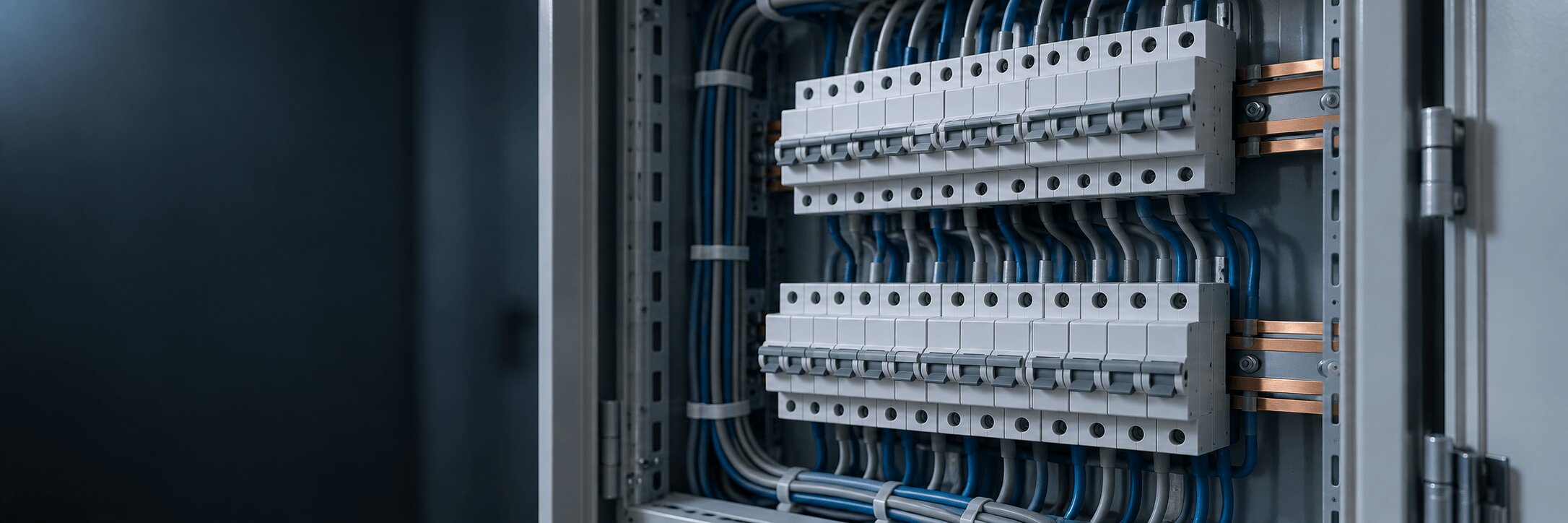
The heat pump that wouldn’t start: 430 V, a builder’s supply and the grid’s ±7%
Commissioning can fail for reasons that don’t appear on any drawing. This one failed for two: a closed valve that stopped the system being evacuated, and a mains voltage of 430 V on a machine rated for 380 to 415 V. The second one teaches something worth knowing before you order a heat pump for…
-

New Basic Self-Protection Directive: what changes for your plan
Since 11 October 2026, self-protection plans have been governed by a new standard: the Basic Directive on Self-Protection Planning. The 2007 Basic Standard, which almost every plan in the Balearic Islands was written under, no longer applies. Existing plans have four years, until October 2030, to adapt. And the list of who must have one…
-
Oil-fired boilers in Balearic hotels and holiday lets: the deadline is now 2030
The deadline for removing oil-fired boilers from tourist accommodation in the Balearic Islands is 1 May 2030. Not 1 May 2027, the date that is still going around: Law 4/2026 of 11 June pushed it back three years. And for properties whose heating installation was built or replaced between 2019 and 2021, the limit is…
Project or technical report? I’ll tell you in one call.